7 Tips for Choosing the Right Pressure Cylinder?

Time:2026-10-24 Author:Aria
0%

Choosing the right Pressure Cylinder is not a simple matter of comparing capacity or purchase price. The correct choice depends on pressure rating, gas compatibility, temperature range, inspection history, and installation conditions. A cylinder that looks suitable on a warehouse floor may perform poorly beside a vibrating compressor or in a humid coastal plant.

Industry standards provide a useful starting point. The International Energy Agency’s Global Hydrogen Review 2024 highlights the expanding role of compressed hydrogen storage in developing hydrogen infrastructure. The U.S. Department of Energy also identifies 350-bar and 700-bar systems as important storage options for mobility and industrial applications. These figures show why pressure selection must match the complete operating system, not just the equipment label.

Safety requirements matter equally. OSHA guidance recommends securing compressed-gas cylinders upright and protecting them from heat, impact, and unauthorized handling. ASME Boiler and Pressure Vessel Code Section VIII and ISO 9809 provide recognized frameworks for pressure-vessel design and cylinder manufacture. However, compliance alone does not guarantee a practical purchase. Maintenance access, valve protection, transport needs, and local inspection rules can still create problems.

A useful evaluation should ask uncomfortable questions. Is the supplier’s documentation complete? Has the cylinder been exposed to corrosion? Will the valve fit existing regulators? These details are easy to overlook. The following seven tips offer a clearer way to assess Pressure Cylinder options, while recognizing that real installations often require advice from a qualified engineer or certified inspector.
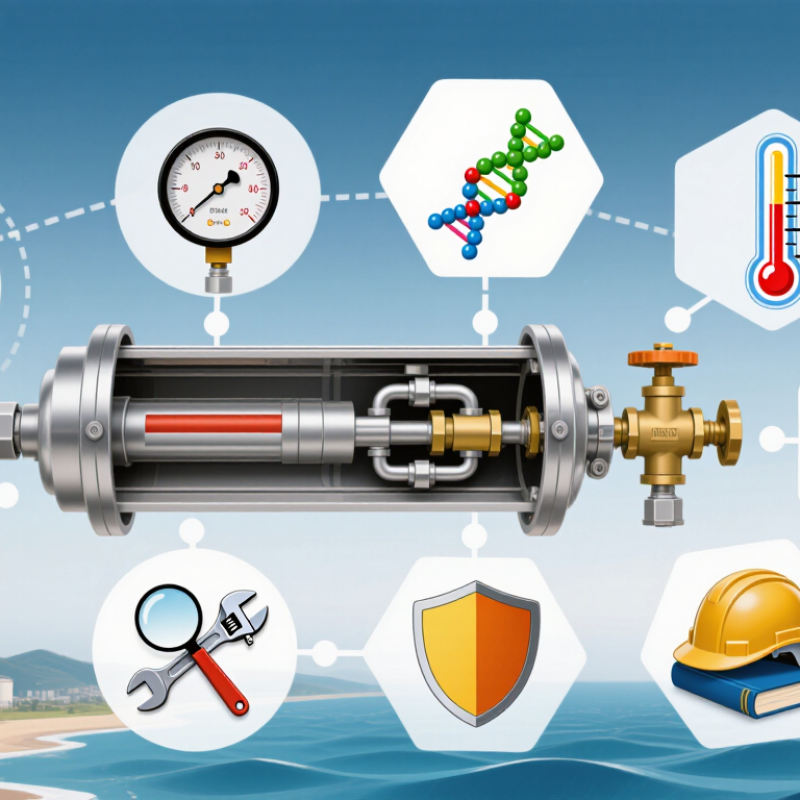
7 Tips for Choosing the Right Pressure Cylinder?

Define the Pressure Cylinder’s Required Application and Working Conditions

7 Tips for Choosing the Right Pressure Cylinder

Define the cylinder’s exact application before comparing sizes or materials. Will it store gas, drive a hydraulic actuator, or absorb pressure pulses? Identify the working fluid, required pressure, temperature range, cycle frequency, and available space. A cylinder used outdoors may face rain, dust, vibration, and sudden temperature changes. Real systems are rarely neat. Record normal and peak conditions separately, because average pressure can hide damaging surges.

Tip 1: Describe the complete duty cycle. Note how often the cylinder pressurizes, rests, and releases pressure. Tip 2: Check every connection, seal, valve, and mounting point. The cylinder is only one part of the pressure system. Use verified technical data, inspection records, and calculations from a qualified engineer. Safety factors should reflect actual operating conditions, not convenient estimates. A small mistake here can become expensive.

Tip 3: Consider maintenance access before installation. Can technicians inspect the shell, fittings, and seals safely? Tip 4: Confirm compatibility between the cylinder material and the working fluid. Corrosion may begin inside, where it remains unseen. Tip 5: Define the environment precisely, including humidity, chemicals, impact risk, and temperature swings. I have seen equipment selected correctly on paper but poorly matched to its surroundings. Recheck assumptions with measured site data. Tip 6: Confirm pressure ratings at the intended temperature. Tip 7: Keep a written specification for suppliers and inspectors. Clear records reduce confusion and support dependable future maintenance.

Choose the Correct Cylinder Type, Material, and Pressure Rating

7 Tips for Choosing the Right Pressure Cylinder?

Choose the cylinder type before comparing prices. Gas storage, hydraulic service, and pneumatic applications require different designs. A seamless cylinder may suit high-pressure gas, while a welded model may fit lower-pressure duties. Check the medium, connection style, mounting position, and available space.

Tip 1: Match the design to the actual application.

Material selection affects safety, service life, and maintenance. Steel offers strength, while aluminum reduces weight. Stainless steel can resist corrosion, but it may increase cost and require careful compatibility checks. Confirm that the material suits the gas or fluid, temperature range, and surrounding moisture. A small compatibility mistake can cause serious damage.

Tip 2: Check chemical and environmental compatibility.

Pressure ratings need close attention. Compare the cylinder’s working pressure with the system’s maximum operating pressure, not its normal reading. Also review test pressure, temperature limits, fatigue cycles, and relief-device requirements. Leave a practical safety margin. Do not treat a higher rating as automatically better; it can add weight and expense.

Tip 3: Read the data plate and technical documents carefully.

Verify dimensions, inspection intervals, and applicable standards with a qualified engineer. One detail is often missed: pressure changes with temperature. A cylinder that seems suitable in a cool workshop may behave differently outdoors.

Recheck the choice before installation.

Match Cylinder Size, Capacity, and Connection Specifications

7 Tips for Choosing the Right Pressure Cylinder

Tip 1: Match the cylinder size to the available space and required movement. Measure the installation area, stroke length, and retracted length before ordering. A cylinder that fits on paper may interfere with nearby hoses or moving parts. Leave room for maintenance access. Small clearances matter.

Tip 2: Check capacity using real operating conditions, not only the maximum advertised force. Calculate the load, pressure, mounting angle, friction, and expected cycles. Include a practical safety margin without making the cylinder unnecessarily large. Oversizing can increase cost, weight, and energy use. I have seen projects fail because the load calculation ignored side forces. That mistake is easy to repeat.

Tip 3: Treat connection specifications as a critical design decision. Confirm port size, thread type, mounting method, rod-end style, and hose compatibility. Measurements should follow the relevant technical standard, not visual guesses. A connection may look correct and still leak or loosen during operation. Verify every dimension against the manufacturer’s certified datasheet.

Tip 4: Consider the working environment. Dust, moisture, temperature changes, and repeated impacts can affect seals and cylinder life. Select suitable materials and protection levels for the location. Record the pressure range and duty cycle clearly. Recheck them with the equipment operator. Field information is often incomplete, and that should be acknowledged before final selection.

Evaluate Safety Features, Standards, and Certification Requirements

Tip 1: Start with the cylinder’s intended service. Confirm the working pressure, temperature range, gas or liquid compatibility, and required capacity. A cylinder rated for pressure alone may still fail in a corrosive or high-temperature environment. I have seen purchasing decisions focus on capacity while overlooking material compatibility. That mistake can become expensive.

Tip 2: Examine safety features in physical detail. Look for protected valves, pressure-relief devices, secure mounting points, and clear identification markings. Check whether the design limits damage from impact, heat, or accidental valve opening. Ask for evidence of hydrostatic or other required pressure testing. Safety claims should appear in controlled documents, not only in a sales conversation.

Tip 3: Verify applicable standards and certification requirements before ordering. Requirements may differ by country, industry, transport method, and installation location. Review the cylinder’s certification mark, test date, manufacturing records, and traceability information. Confirm that an accredited body performed the inspection when required. A certificate can be genuine yet unsuitable for your application. That detail is easy to miss.

Have a qualified safety professional review the selection and installation plan. Keep inspection intervals, operating limits, and emergency procedures accessible to users. One practical check remains valuable: compare the marked pressure rating with the actual system pressure. Assumptions are not safeguards.

7 Tips for Choosing the Right Pressure Cylinder: Evaluate Safety Features, Standards, and Certification Requirements

Tip Selection Focus What to Evaluate Relevant Standards or Requirements Evidence to Request Priority
1 Define the Required Pressure and Capacity
  • Confirm the required working pressure, test pressure, and design pressure.
  • Check the cylinder volume or water capacity against the required gas or fluid quantity.
  • Allow for temperature-related pressure changes and pressure fluctuations during operation.
  • Do not select a cylinder based only on nominal capacity.
Pressure ratings and design calculations should comply with the applicable pressure-equipment or transport-cylinder rules in the intended country and service. Technical data sheet, design calculations, pressure-rating statement, and operating-temperature range. Critical
2 Verify Material Compatibility
  • Match the cylinder material with the stored gas or fluid, including moisture and contaminants.
  • Consider corrosion, hydrogen embrittlement, stress corrosion, permeation, and chemical attack.
  • Check compatibility of valves, seals, coatings, and internal components.
  • For oxygen service, confirm suitable cleaning and contamination controls.
Material selection must satisfy the applicable construction standard and the chemical compatibility requirements for the specific service. Material certificate, chemical-compatibility statement, oxygen-cleaning certificate where applicable, and seal-material specification. Critical
3 Check Pressure-Relief and Overpressure Protection
  • Determine whether a pressure-relief device is required for the cylinder and application.
  • Confirm the relief-device set pressure, discharge capacity, temperature rating, and vent direction.
  • Ensure the relief path cannot be unintentionally blocked by a valve, cap, or fitting.
  • Use protection against heat exposure, fire, trapped liquid, and thermal expansion when applicable.
Relief protection should be designed and installed in accordance with the applicable cylinder, pressure-vessel, gas-service, and local safety requirements. Relief-device certificate, set-pressure record, flow-capacity data, installation instructions, and maintenance interval. Critical
4 Confirm the Applicable Design Standard
  • Identify whether the cylinder is a refillable transport cylinder, a stationary pressure vessel, or a hydraulic/pneumatic actuator.
  • Use the standard required by the destination market and intended service.
  • Do not treat one standard as interchangeable with another without regulatory confirmation.
  • Verify the latest edition and any national implementation requirements.
Examples may include ISO 9809 for refillable seamless steel gas cylinders, ISO 11120 for large refillable seamless steel tubes, ASME Boiler and Pressure Vessel Code Section VIII for pressure vessels, EN 13445 for unfired pressure vessels, and the applicable transport regulations for dangerous goods. Applicable-standard declaration, design approval, manufacturing records, inspection plan, and jurisdiction-specific compliance statement. Critical
5 Review Inspection, Testing, and Recertification
  • Confirm hydrostatic or proof-test requirements and the test pressure.
  • Check inspection intervals, visual examination, corrosion checks, and valve inspection requirements.
  • Understand whether periodic testing is required before refilling or continued use.
  • Reject cylinders with unauthorized repairs, severe dents, fire exposure, deep corrosion, or unreadable markings.
Periodic inspection and testing must follow the applicable cylinder standard, transport regulation, pressure-equipment law, and local authority requirements. Hydrostatic or proof-test report, visual-inspection record, calibration certificates, inspection date, and next-due date. Critical
6 Verify Markings, Certification, and Traceability
  • Check permanent markings for design standard, serial number, working pressure, test pressure, capacity, tare mass, and manufacturing date where required.
  • Confirm that markings are legible and match the documentation.
  • Determine whether a conformity assessment, notified-body involvement, registration, or transport approval is required.
  • Ensure certificates are issued for the exact model, batch, or serial number being purchased.
Requirements may include the EU Pressure Equipment Directive 2014/68/EU for applicable pressure equipment, transport approvals under the relevant dangerous-goods framework, and national registration or inspection rules. Declaration of conformity, approval certificate, inspection-body certificate where applicable, manufacturing traceability record, and nameplate photographs. High
7 Evaluate Handling, Installation, and Lifecycle Support
  • Check lifting points, protective caps, foot rings, mounting arrangements, and impact protection.
  • Confirm storage temperature, ventilation, securing method, and transport orientation.
  • Review valve connections, hose compatibility, grounding requirements, and access for inspection.
  • Choose a design with available spare parts, maintenance instructions, and documented end-of-life procedures.
Installation and handling must follow the cylinder manufacturer’s instructions, applicable occupational-safety rules, fire codes, and gas or fluid service requirements. Installation manual, handling procedure, storage guidance, spare-parts list, maintenance schedule, and disposal or decommissioning instructions. High
Important: The applicable standard and certification route depend on the cylinder type, contents, pressure, location of use, transport status, and country or jurisdiction. Always confirm the final requirements with the relevant regulatory authority or a qualified pressure-equipment inspector before purchase or commissioning.

Compare Maintenance Needs, Service Life, and Total Cost

Choosing the right pressure cylinder requires more than comparing purchase prices. Maintenance needs, service life, and total cost often determine the better investment.

Ask how easily technicians can inspect valves, seals, fittings, and protective coatings. A cylinder with accessible components may reduce service time and labor costs. Keep clear maintenance records, including pressure checks, repairs, and replacement dates. Small leaks rarely remain small. They can increase energy use and create avoidable downtime.

Service life depends on pressure cycles, temperature, moisture, and handling conditions. A cylinder used outdoors may need stronger corrosion protection and more frequent inspections. Confirm the recommended inspection interval with qualified professionals and applicable safety standards. Never assume a longer rated life means lower risk. Actual conditions matter. I once underestimated transport damage during a routine equipment move. The repair cost exceeded the original saving.

Calculate total cost over the expected operating period. Include installation, inspection, spare parts, downtime, disposal, and staff training. A low-cost cylinder may require frequent seal replacement. Another model may cost more but remain stable for years. Request documented material specifications and test records from the supplier. Compare realistic operating data, not optimistic estimates. Leave room for unexpected repairs. A perfect forecast is unlikely. Choose the cylinder that fits your pressure range, working environment, maintenance skills, and replacement plan.

FAQS

How should I define a pressure cylinder’s application?

Identify whether it stores gas, drives an actuator, or absorbs pressure pulses. Record the working fluid, pressure, temperature, and available space. Separate normal pressure from peak pressure. Average pressure can hide harmful surges.

Why is the complete duty cycle important?

Record pressurizing, resting, and pressure-release periods. Include cycle frequency and expected service hours. Repeated cycling can affect seals and cylinder life. Small details matter.

What environmental conditions should I check?

Record rain, dust, humidity, chemicals, vibration, impacts, and temperature changes. Outdoor equipment may face sudden weather shifts. Site conditions are often incomplete. Measured data is better than assumptions.

How can I choose the correct cylinder size?

Measure the installation area, stroke length, and retracted length. Check nearby hoses and moving parts. Leave space for inspection and maintenance. A paper fit may fail onsite.

How should I calculate the required capacity?

Consider load, pressure, mounting angle, friction, and expected cycles. Include side forces in the calculation. Use a practical safety margin. Oversizing adds weight, cost, and energy use.

Which connection details require careful checking?

Confirm port size, thread type, mounting method, rod-end style, and hose compatibility. Compare every measurement with certified technical data. A connection can look correct and still leak. Visual guesses are unreliable.

How do temperature and fluid compatibility affect selection?

Confirm the pressure rating at the intended temperature. Check material compatibility with the working fluid. Corrosion may begin inside the cylinder. That damage can remain unseen.

What should be documented before ordering?

Keep a written specification covering pressure, temperature, fluid, dimensions, connections, environment, and duty cycle. Include inspection records and engineering calculations. Recheck details with the equipment operator. I may still miss something, so review the specification again.

Conclusion

Choosing the right Pressure Cylinder begins with a clear understanding of its intended application and working conditions. Consider the operating pressure, temperature, fluid or gas involved, installation environment, and frequency of use. These factors will guide you in selecting the most suitable cylinder type, construction material, and pressure rating. It is also important to match the cylinder’s size and capacity with system requirements while confirming that connection types, dimensions, and mounting arrangements are compatible.

Safety, reliability, and long-term value should also influence your decision. Review essential safety features, applicable technical standards, and certification requirements before purchase or installation. In addition, compare maintenance schedules, inspection needs, expected service life, replacement part availability, and overall ownership costs. A cylinder with a lower initial price may require more frequent servicing, while a well-designed option can provide better efficiency and dependable performance over time. Careful evaluation of these points helps ensure safe operation, easier maintenance, and a practical solution for your specific system.


Aria

Aria

Aria is a dedicated marketing professional with a deep passion for innovative strategies and a keen understanding of our company's product offerings. With a wealth of experience in the industry, Aria excels at crafting engaging content that highlights the unique features and benefits of our......