Choosing a Hydraulic Cylinder Welded Double Acting in 2026 requires more than comparing bore size and price. The cylinder must match pressure, stroke, mounting space, duty cycle, fluid, and environmental exposure. A poorly matched unit may leak beside a loader arm, bend its rod, or fail after repeated cold starts.
Market evidence supports careful selection. Grand View Research estimates that the global hydraulic cylinder market will continue expanding through 2030, driven by construction, agriculture, mining, and material-handling equipment. MarketsandMarkets also forecasts steady growth for hydraulic cylinders, linked to mobile machinery modernization and automation. These reports indicate demand, but they do not guarantee quality. Forecasts can change.
As Bosch Rexroth CEO Dr. Steffen Haack has emphasized, “Hydraulics will remain a key technology for many applications.” That view matters when evaluating welded designs. Their compact bodies, strong barrel construction, and flexible mounting options suit demanding mobile equipment. Yet compact does not mean indestructible.
Check the real load.
Review the machine’s peak pressure, not only its normal working pressure. Allow room for pressure spikes, uneven loading, and temperature changes. Select seals for the actual hydraulic fluid and operating temperature. Inspect rod coating, weld quality, cushion design, and available spare parts. ISO 6020/2 or ISO 6022 compliance can help compare dimensional and performance expectations, but certification alone does not replace field testing.
A practical choice also considers maintenance. Can technicians replace seals without removing half the machine? Can the rod be protected from mud, gravel, and side loading? These details are easy to overlook. That is where many purchasing decisions become expensive.
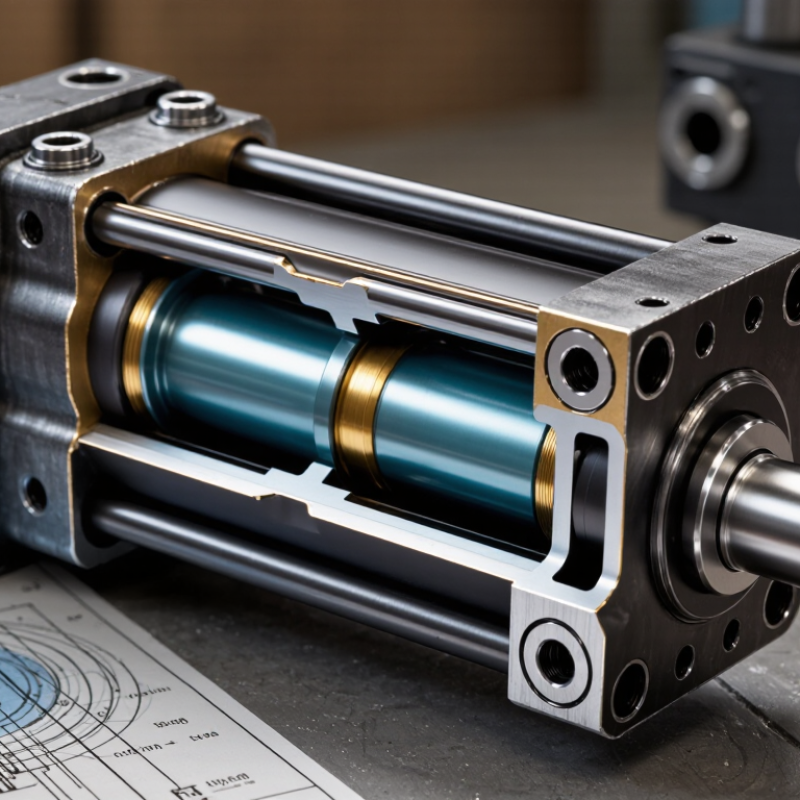
Define the Working Requirements for a Welded Double Acting Hydraulic Cylinder
Before selecting a welded double acting hydraulic cylinder in 2026, define its actual working conditions. Start with load, stroke, speed, and mounting space. Do not estimate load from memory. Measure the heaviest moving mass, including friction and impact. State whether the cylinder pushes, pulls, or cycles in both directions. A maintenance technician’s notes often reveal harsher conditions than design drawings. That difference matters.
Record operating pressure, peak pressure, fluid type, and temperature range. Rated pressure should exceed normal demand, while relief events need separate attention. Calculate force using pressure and effective piston area. For retraction, subtract rod area from piston area. This small detail is often missed. Choose rod diameter after checking buckling risk, side loading, and unsupported length. Specify cycle frequency and expected service life, not merely “heavy duty.” Include contamination, moisture, welding dust, and washdown exposure. Seals and surface treatments depend on these details. Guessing here can shorten service life.
Confirm the mounting style, pin diameter, alignment tolerance, and hose routing space. Welded construction saves space, but it can limit some repair options. That trade-off deserves review. Request dimensional drawings, pressure ratings, leakage criteria, and inspection records. Field experience suggests testing prototypes through the real duty cycle before approval. Observe temperature rise, drift, noise, and uneven motion. If results conflict with calculations, investigate the assumptions rather than hiding the problem. Document every requirement in the purchase specification. Clear data makes cylinder comparison more reliable.
Compare Bore, Rod, Stroke, and Pressure Specifications
How to Choose a Welded Double Acting Hydraulic Cylinder in 2026
Selecting a welded double acting hydraulic cylinder starts with the bore, rod, stroke, and pressure. The bore controls pushing force through piston area. A larger bore creates more force at the same pressure, but it also increases weight and oil demand. Use the working load, not the machine’s maximum theoretical load. I have seen designs fail because friction and uneven loading were ignored.
Rod diameter affects retraction force, buckling resistance, and side-load tolerance. A thick rod is not automatically better. Check unsupported length, mounting alignment, and the cylinder’s retracted position. Side loading can damage seals and guide surfaces quickly. Keep the load centered whenever possible. A simple alignment check often reveals more than a catalog table.
Stroke should match the actual travel, including clearance at both ends. Do not force the piston against its internal limits. Pressure ratings need careful comparison. Separate continuous working pressure from intermittent peak pressure, then verify valve, hose, and fitting ratings. The cylinder must handle the real pressure cycle, not only a brief test value. I once selected a suitable bore but underestimated cycle frequency; heat became the hidden problem. Measure oil temperature during operation, and reconsider the specification when field conditions differ from the original calculation.
Select Materials, Seals, Mounting Style, and Port Configuration
How to Choose a Welded Double Acting Hydraulic Cylinder in 2026
Choosing a welded double acting hydraulic cylinder starts with the working environment. Carbon steel suits many indoor machines, while stainless steel helps resist moisture and cleaning chemicals. However, corrosion resistance alone does not guarantee long service life. Check rod hardness, tube thickness, and weld quality. A cylinder facing side loads needs stronger guidance, not simply a larger bore.
Seals should match fluid type, temperature, pressure, and cycle speed. Polyurethane seals handle many general applications, while specialized compounds suit heat or aggressive fluids. Seal selection is often underestimated. A seal that works well in a slow press may fail quickly in a fast loader. Inspect the expected temperature range carefully. Small errors here can create leaks, downtime, and contaminated work areas.
Tips: Select a mounting style that keeps the cylinder aligned through its full stroke. Clevis mounts allow useful movement, while flange mounts provide firm positioning. Trunnions can help with pivoting loads, but poor alignment still causes wear. Choose ports that simplify hose routing and maintenance access. SAE or metric threads must match the existing system exactly. Measure port location before ordering. It sounds basic, yet this step is commonly missed. Leave enough clearance for fittings, tools, and future seal replacement. A compact installation may look efficient, but it can make routine service frustrating.
How to Choose a Welded Double Acting Hydraulic Cylinder in 2026
Select the bore, materials, seals, mounting style, and port configuration according to force, environment, duty cycle, alignment, and service requirements.
The chart shows theoretical extension force at 160 bar, calculated from F = P × π × bore² ÷ 4. Actual output is lower because of friction, pressure losses, rod area, and system limitations. Confirm the working pressure and safety factor with the cylinder data sheet.
Materials
Use carbon steel for general industrial service, stainless steel where corrosion resistance is important, and hard-chrome or corrosion-resistant rod finishes when abrasion, moisture, or outdoor exposure is expected.
Seals
Choose seal compounds by fluid, temperature, pressure, speed, and contamination. Polyurethane is commonly used for general hydraulic sealing, while fluorocarbon-based compounds are suited to higher-temperature or chemically demanding applications.
Mounting Style
Select clevis, trunnion, flange, foot, or spherical-eye mounting based on the load path and alignment. Use articulating mounts where angular movement is unavoidable, and avoid side loading on the rod.
Port Configuration
Match port size and thread standard to the hydraulic circuit and required flow. Place ports to simplify hose routing, protect fittings from impact, and reduce sharp bends that can increase pressure loss.
Check Performance, Compatibility, Safety, and Service Requirements
How to Choose a Welded Double Acting Hydraulic Cylinder in 2026
Choosing a welded double acting hydraulic cylinder starts with real operating data, not catalogue pressure alone. The bore controls pushing force, while the rod diameter affects buckling resistance and retraction speed. Record working pressure, peak pressure, stroke length, cycle frequency, and side loading. A cylinder rated for 250 bar may still fail early if the machine repeatedly reaches that limit. It happens.
Compatibility needs equal attention. Match the mounting style, pin diameter, clevis width, port thread, hydraulic fluid, and seal material. Check temperature changes near the cylinder. Cold oil can slow movement, while heat can harden seals. Grand View Research reported a global hydraulic cylinder market value of approximately USD 14.8 billion in 2023, showing strong demand but not proving that every low-cost design is suitable. Market growth is not a performance guarantee.
Safety requirements should follow ISO 4413 hydraulic-fluid-power principles and the machine’s risk assessment. Install suitable relief protection, hose restraints, mechanical supports, and guarded pinch points. Never rely on hydraulic pressure to hold a suspended load during service. OSHA guidance also stresses lockout and stored-energy control before maintenance. For service planning, request fatigue-test results, leakage limits, coating specifications, spare-seal availability, and documented inspection intervals. I would also question unclear test data. A polished datasheet can hide an unsuitable rod, weak weld, or poor after-sales response. Capture actual cycle measurements after installation, because field conditions often challenge the original selection.
Evaluate Suppliers, Custom Options, Testing, and Total Cost
Choosing a welded double acting hydraulic cylinder in 2026 starts with the supplier, not the catalogue price. Ask for material certificates, traceable inspection records, and documented pressure-test procedures. A reliable supplier should explain rod coating, seal compatibility, weld quality, and expected cycle life. Visit the production area if possible. Look for clean machining, protected threads, and gauges with current calibration labels. Past field experience matters, but request evidence from applications resembling yours. A confident sales answer is not a test report. Good point.
Custom sizing should follow actual load, stroke, mounting space, oil temperature, and duty cycle. Provide drawings with tolerances, port positions, clevis dimensions, and sensor requirements. Small omissions can cause expensive redesigns. For dusty machinery, specify wipers and corrosion protection. For frequent cycling, examine seal speed limits and rod buckling. Do not accept “standard” as a substitute for calculation. I have seen cylinders fit physically but fail because retraction forces were ignored. That mistake is avoidable, yet common.
Require dimensional inspection, leakage checks, and a pressure test above working pressure, within an agreed safe procedure. Ask for test records tied to serial numbers and acceptance criteria. Total cost includes freight, installation, spare seals, downtime, and future maintenance. A cheaper cylinder may need earlier replacement. Calculate cost per operating hour, not only purchase price. Leave room for uncertainty. Real duty conditions often differ from laboratory assumptions. Compare written quotations line by line, including lead time and warranty exclusions.
FAQS
Record load, stroke, speed, mounting space, and whether the cylinder pushes, pulls, or cycles both ways. Include friction and impact in the load estimate. Do not guess.
Use operating pressure and the effective piston area. During retraction, subtract the rod area from the piston area. That small detail is easy to miss.
State normal and peak pressure, cycle frequency, and expected service life. A cylinder described only as “heavy duty” lacks useful operating detail. Check relief events separately.
Consider buckling risk, side loading, and unsupported length before choosing rod diameter. A larger bore alone may not solve poor guidance.
Carbon steel suits many indoor machines; stainless steel can help resist moisture and cleaning chemicals. Match seals to fluid, temperature, pressure, and cycle speed. Check weld quality, too.
Choose a mount that stays aligned through the full stroke. Clevis mounts allow movement, while flange mounts hold a firmer position. Trunnions can support pivoting loads, but alignment still matters.
Confirm thread type, port location, hose route, and access for fittings and tools. Leave room for future seal replacement. Compact installations can be frustrating to service.
Test it through the actual duty cycle. Watch for heat, drift, noise, and uneven motion. If results disagree with calculations, revisit the assumptions; the drawing may not show the whole story.
Conclusion
Choosing a welded double acting hydraulic cylinder in 2026 starts with clearly defining the machine’s working requirements, including load capacity, operating speed, stroke length, duty cycle, installation space, and environmental conditions. The bore, rod diameter, stroke, and pressure rating should be matched carefully to the required force and movement while allowing a suitable safety margin. Material selection, seal design, mounting style, and port configuration must also support reliability, fluid compatibility, temperature range, and easy maintenance. A properly specified Hydraulic Cylinder Welded Double Acting unit can improve equipment performance and reduce unexpected downtime.
Before making a purchase, verify performance data, dimensional compatibility, pressure resistance, safety features, and service requirements. Compare suppliers based on manufacturing quality, inspection procedures, customization capabilities, delivery support, warranty terms, and replacement-part availability. Testing such as pressure, leakage, and functional checks can help confirm consistency before installation. Finally, evaluate total cost rather than purchase price alone, considering installation, maintenance, energy efficiency, operating life, and potential downtime. This structured approach helps select a dependable cylinder suited to both current demands and future operating conditions.

