Choosing the right Hydraulic Parts in 2026 requires more than comparing prices online. It demands careful attention to pressure, flow, temperature, materials, compatibility, and service conditions. A pump may look suitable on paper, yet fail early when contaminated oil enters the system. A valve may fit perfectly, but respond slowly in cold weather. These details matter.
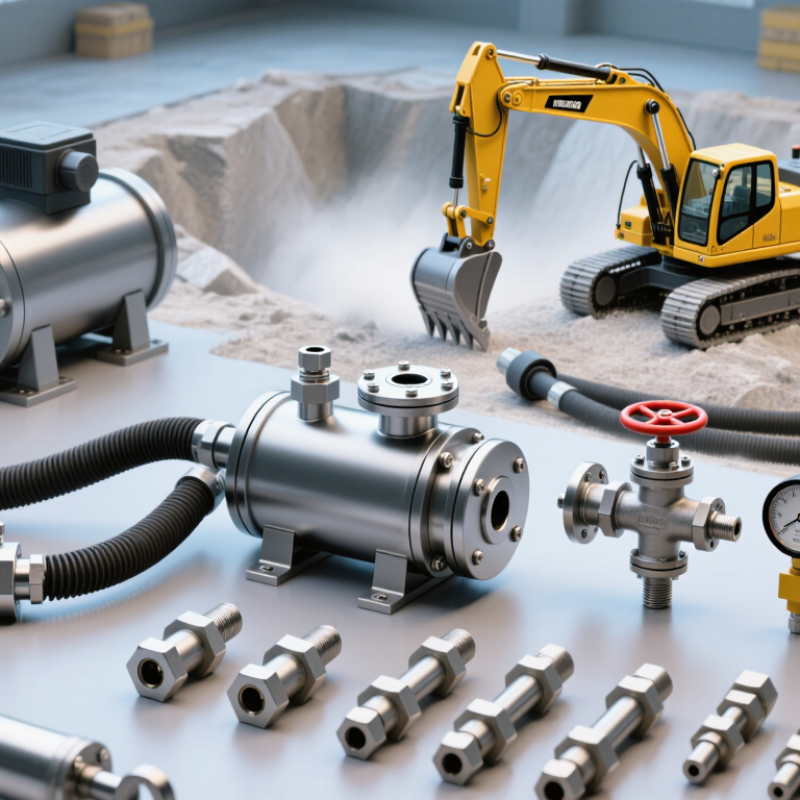
Field experience often reveals problems that product pages hide. For example, an excavator working beside a dusty quarry needs stronger sealing and better contamination control than indoor equipment. Pressure ratings should match real operating loads, not only occasional peak figures. Hose dimensions, port standards, fluid compatibility, and installation space also deserve close inspection. Do not guess.
This guide explains how to evaluate Hydraulic Parts using manufacturer datasheets, verified test information, and applicable ISO or SAE guidance. Reliable suppliers should provide traceable specifications, warranty terms, replacement support, and clear technical assistance. Independent reviews can help, but they should never replace engineering judgment or site testing. Evidence matters.
Cost remains important, but the cheapest component may create higher expenses through leakage, downtime, or repeated replacement. A longer service life is not guaranteed by a premium label alone. That assumption needs questioning. We will compare practical selection methods for pumps, motors, valves, cylinders, filters, and connectors. The discussion considers performance, safety, availability, and maintenance over the equipment’s complete working life. Real machines are rarely perfect. Your selection process should recognize uncertainty, document decisions, and leave room for expert review. Stay critical.
Hydraulic Parts: Purpose, Types, and Core Operating Principles
How to Choose the Right Hydraulic Parts in 2026?
Hydraulic Parts: Purpose, Types, and Core Operating Principles
Hydraulic parts convert fluid power into controlled movement. A pump creates flow, while resistance creates pressure. Pascal’s law explains the principle: confined fluid transfers pressure in every direction. Pressure moves the actuator. Flow controls its speed.
Common parts include pumps, directional valves, pressure valves, cylinders, motors, filters, reservoirs, hoses, and sensors. Select each part by working pressure, required flow, fluid type, temperature, and duty cycle. A cylinder lifting 2,000 kilograms needs more than a matching pressure rating. Its bore, stroke, mounting, and side-load resistance also matter. Tiny contamination can damage valve clearances. NFPA guidance stresses cleanliness, correct filtration, and safe hose selection in fluid-power systems.
The market is expanding. MarketsandMarkets’ hydraulic equipment report projects growth from about USD 49.8 billion in 2023 to USD 61.4 billion by 2028. More equipment does not mean easier selection. A larger market can create confusing specifications and rushed substitutions. The common mistake is choosing parts by port size alone. I would recheck this habit.
In practical maintenance, measure actual pressure and flow before ordering replacements. Check peak pressure, not only normal pressure. Confirm seals against the selected fluid and temperature.
ISO 4413 provides useful principles for hydraulic-system safety and design. Yet standards do not replace site measurements. A quiet pump may still deliver unstable flow. A clean filter may also be undersized. Inspect noise, heat, leakage, response time, and pressure drop during real operation.
Assessing System Pressure, Flow, Temperature, and Fluid Requirements
How to Choose the Right Hydraulic Parts in 2026?
Selecting hydraulic parts begins with four operating conditions: pressure, flow, temperature, and fluid compatibility. Check the machine’s normal pressure and peak pressure separately. A valve rated only for average pressure may fail during sudden load changes. Flow also matters. Undersized hoses create heat, noise, and sluggish movement. Oversized components can increase cost without improving performance. Use measured flow data whenever possible, not only catalogue estimates.
Temperature changes component behavior. Hot fluid may reduce viscosity and increase leakage, while cold fluid can make startup painfully slow. Confirm the working temperature range for seals, hoses, pumps, and valves. Fluid type deserves equal attention. Mineral-based, biodegradable, and fire-resistant fluids may require different sealing materials. Small details matter here. A fitting can look correct and still be chemically unsuitable. My field experience suggests checking fluid samples, although this step is often skipped.
Tips: Record pressure, flow, and temperature during real operating cycles. Include cold starts and the busiest load. Leave a sensible safety margin, but avoid excessive oversizing. Recheck calculations with a qualified hydraulic professional. Some early assumptions will be wrong. That is normal. Correct them before ordering parts. Keep installation space, connection size, contamination control, and maintenance access in the selection notes. Reliable performance depends on the whole circuit, not one impressive component.
Matching Valves, Pumps, Cylinders, and Motors to System Demands
Choosing hydraulic parts starts with system demands, not catalog availability. In field servicing, I measure required flow, pressure, cycle time, load, and operating temperature. A valve must control the actuator without excessive pressure loss. Pumps should deliver stable flow at the required pressure, with enough margin for cold starts and wear. That margin should be calculated, not guessed. Too much capacity can create heat, noise, and wasted energy. I learned this after a pump performed well at room temperature but struggled during winter testing. The specification looked correct. The application exposed its weakness.
Match cylinders to force, stroke, speed, mounting space, and side-load risk. Check rod buckling and cushioning when a heavy load stops suddenly. Motors need torque, speed, displacement, and braking requirements suited to the duty cycle. A motor sized only for peak torque may overheat during repeated starts. Valve response also matters. Proportional control can improve movement, but only when filtration and signal quality are adequate. Follow verified technical data and applicable ISO guidance, then confirm performance under real operating conditions.
Tips: Record pressure and flow at the machine, not only from drawings. Verify hose size, filtration, seals, and fluid compatibility. Leave service access around every component. Confirm relief settings with calibrated instruments. If measurements conflict, stop and investigate. Guessing is expensive.
Checking Materials, Dimensions, Connections, and Compatibility
Selecting hydraulic parts in 2026 starts with the material, not the price. Match the part to pressure, temperature, fluid type, and exposure. Carbon steel suits many demanding systems, while stainless steel helps resist corrosion. Seals need equal care. A seal that works with mineral oil may swell in another fluid. Check the manufacturer’s chemical compatibility data. Guessing here can stop a machine quickly.
Measure every critical dimension with clean calipers. Record thread size, port depth, shaft diameter, mounting holes, and overall length. A small error can create leakage or poor alignment. Do not trust a faded label. I once found two fittings with identical outside threads but different internal profiles. They looked interchangeable. They were not. This is where careful inspection matters.
Connections deserve close attention. Confirm thread standard, gender, sealing method, and connection angle. NPT, metric, and parallel threads may appear similar at first glance. They are not automatically compatible. Also compare flow rating, pressure rating, temperature range, and control requirements. A replacement valve may fit physically but respond too slowly. Review the equipment manual, technical drawings, and test records before ordering. If information conflicts, pause and verify it with a qualified engineer or the part manufacturer. Keep photographs and measurements in the service file. That simple habit improves traceability, although I still miss details sometimes. Reliable selection comes from checking the complete system, not one attractive specification.
How to Choose the Right Hydraulic Parts in 2026?
Check the material, dimensions, connections, pressure rating, and fluid compatibility before selecting a hydraulic hose or fitting.
Working Pressure by Nominal Bore
This comparison uses maximum working-pressure values in bar for common EN 853 1SN and 2SN hydraulic hose constructions. As bore size increases, the rated working pressure generally decreases. Always verify the complete assembly, including hose material, fitting dimensions, connection type, temperature range, and hydraulic-fluid compatibility.
Selection checklist: Match the nominal bore to the required flow rate, confirm the connection thread and sealing method, select a hose material compatible with the fluid, and choose a working-pressure rating above the system’s maximum operating pressure.
Comparing Quality, Maintenance Needs, Safety, and Total Ownership Cost
How to Choose the Right Hydraulic Parts in 2026?
Quality should be measured beyond purchase price.
A durable hydraulic valve, seal, or hose should tolerate pressure cycles, temperature changes, contamination, and vibration.
ISO 4413 emphasizes risk reduction, energy isolation, and controlled fluid release during maintenance. These details affect safety and service life.
Cheap parts deceive. A component that fails beside a hot manifold can create injury risks, production delays, and cleanup costs.
Maintenance data also changes the ownership calculation.
The U.S. Department of Energy’s Operations & Maintenance Best Practices guide reports that predictive maintenance can reduce maintenance costs by
25–30% and downtime by
35–45%.
Its figures are not hydraulic-specific, but the principle remains useful.
Choose parts with accessible inspection points, documented materials, and compatible seals. Check filtration requirements carefully.
Poor fluid cleanliness can defeat excellent components.
The UK Health and Safety Executive reports that maintenance contributes to about
25% of workplace fatal accidents.
That makes isolation procedures and pressure ratings essential, not optional.
Total ownership cost includes labor, fluid loss, emergency freight, damaged cylinders, and lost output.
I would not pretend that the most expensive part is always the safest. Supplier data can be incomplete.
Review test evidence, maintenance intervals, failure history, and technician feedback before deciding.
FAQS
Check pressure, flow, temperature, and fluid compatibility. Record normal and peak pressure separately. Real measurements are better than catalogue estimates.
Sudden load changes can exceed normal pressure. A valve rated only for average pressure may fail. Use a sensible, calculated margin.
Undersized hoses can create heat, noise, and slow movement. Oversized hoses may increase cost without improving performance. Measure actual flow.
Hot fluid can reduce viscosity and increase leakage. Cold fluid can make startup painfully slow. Check temperature ratings for seals, hoses, pumps, and valves.
Match the fluid with suitable seals, hoses, and component materials. Mineral, biodegradable, and fire-resistant fluids may need different sealing materials. Check chemical compatibility data.
Compare pressure, flow, force, stroke, speed, torque, cycle time, and mounting space. Confirm filtration and signal quality for proportional control. Guessing is expensive.
Measure thread size, port depth, shaft diameter, mounting holes, and overall length. Confirm thread standard, sealing method, connection angle, and gender. Small errors cause leaks.
Stop and investigate before ordering parts. Take clear photographs and record measurements in the service file. Some assumptions will be wrong. That is normal.
Conclusion
Choosing the right Hydraulic Parts in 2026 begins with understanding how each component supports the overall system. Pumps generate flow, valves control direction and pressure, cylinders convert fluid power into linear movement, and motors produce rotary motion. Before selecting any part, evaluate the system’s pressure, flow rate, operating temperature, fluid type, duty cycle, and environmental conditions. These factors determine whether a component can perform reliably without excessive wear or energy loss.
Next, match valves, pumps, cylinders, and motors to the system’s actual demands, while carefully checking materials, dimensions, mounting requirements, connection types, seals, and fluid compatibility. A suitable part should also meet required safety standards and allow straightforward maintenance. Comparing service life, efficiency, replacement needs, operating safety, and total ownership cost can reveal the best long-term choice—not simply the lowest purchase price. A careful, specification-based selection process improves reliability, reduces downtime, and helps hydraulic equipment operate efficiently throughout its working life.

