Engineered for drop-in replacement, high cyclic fatigue resistance, and continuous operation under extreme impulse loads.
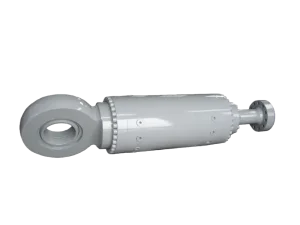
Analyzing shifting hydraulic power densities, international procurement standards, and operating stress profiles in modern heavy engineering.
In contemporary heavy industrial sectors—ranging from steel continuous casting lines and cement raw meal grinding mills to subsea mining and heavy-duty forging presses—the demand for linear motion actuation has undergone a profound shift. Traditional low-pressure (160 to 210 bar) hydraulic systems are increasingly being replaced by high-pressure fluid power architectures operating between 350 bar (35 MPa) and 700 bar (70 MPa). This migration is driven by the necessity to maximize force density while minimizing physical footprint, structural mass, and overall fluid medium volume.
As global original equipment manufacturers (OEMs) and plant operators strive for higher thermal efficiency and lower carbon footprints, hydraulic components must endure severe cyclic loads, thermal spikes up to 120°C, and abrasive environmental contamination. Consequently, the search for China Cylinder High Pressure Exporters & Exporters who possess sophisticated metallurgical engineering, precision CNC deep-hole boring, and rigorous non-destructive testing (NDT) capabilities has become a vital strategic imperative for procurement teams worldwide.
Standard hydraulic cylinders designed under ISO 6020/2 often fail prematurely when subjected to the high-frequency pressure spikes characteristic of roller presses and vertical mills. Chinese high-pressure exporters are pioneering specialized wall-thickness calculations based on finite element stress concentration modeling (FEA) to achieve infinite fatigue life above 10,000,000 continuous pressure cycles.
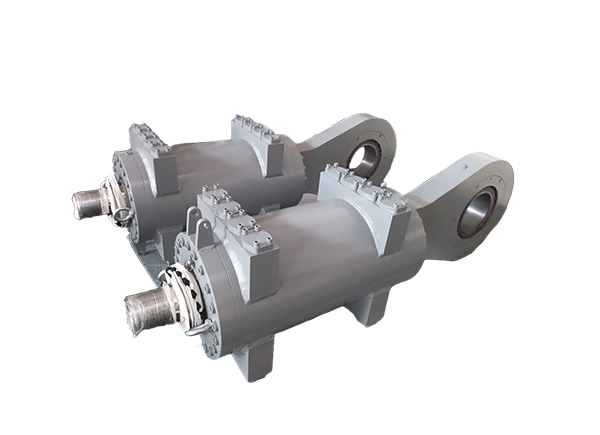
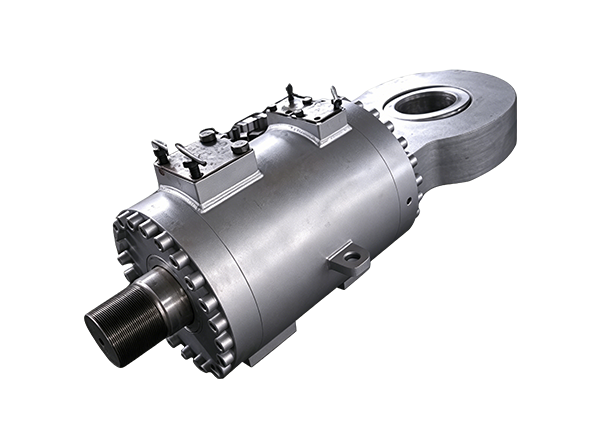
How Changzhou’s industrial manufacturing cluster delivers unparalleled quality control, cost efficiency, and lead-time stability.
Direct integration with premium domestic and imported steel mills guarantees seamless sourcing of seamless cold-drawn tubes (27SiMn, 42CrMo4, ST52.3) with 100% ultrasonic flaw detection certification before machining begins.
Utilizing high-precision multi-axis CNC lathes, deep-hole skiving/burnishing machines, and automated micro-honing centers to achieve inner barrel bore surface roughness down to Ra 0.1–0.2 μm.
Implementation of digital MES (Manufacturing Execution Systems) tracks heat codes, dimensional inspection reports, and seal batch numbers for every cylinder leaving the factory floor.
One of the paramount competitive advantages of partnering with top-tier Chinese high-pressure cylinder exporters is the rapid turnaround cycle. Traditional Western hydraulic manufacturers frequently demand 24 to 36 weeks lead times for bespoke, large-bore (stroke > 3,000mm, bore > 500mm) cylinders. Leveraging an agile manufacturing ecosystem centered in Changzhou, China, production timelines are compressed to 6 to 10 weeks without compromising compliance with ISO 6022, DIN 24333, or ASME standards.
Understanding the engineering underpinnings that differentiate high-end Chinese hydraulic cylinders under 50 MPa+ operational stress.
High-pressure hydraulic cylinders must resist wall deformation, circumferential expansion, and fatigue failure caused by pulsating pressure peaks. Chinese manufacturers utilize forged alloy steel tubes (such as 42CrMo4 or 27SiMn) subjected to quenched and tempered (Q+T) heat treatment. This treatment elevates the material's yield strength ($\sigma_s$) above 800 MPa and tensile strength ($\sigma_b$) above 1000 MPa, preventing micro-yield deformation across the sealing surfaces.
The piston rod is the primary mechanical conduit subjected to linear thrust, lateral side loads, and hostile atmospheric pollutants. Standard high-pressure exporters implement a multi-stage surface engineering regime:
Selecting seal configurations dictates both the mechanical efficiency and zero-external-leakage lifespan of the high-pressure cylinder. The table below highlights seal architecture selection based on duty profile:
| Sealing Architecture | Friction Coefficient ($\mu$) | Max Pressure (Bar) | Primary Application | Key Engineering Benefit |
|---|---|---|---|---|
| Clearance Seal (Gap Seal) | < 0.001 (Near Zero) | 350 Bar | High-frequency Servo Oscillators & Test Rigs | Zero stick-slip effect, infinite seal mechanical life, ultra-high response. |
| Low-Friction PTFE Step Seal | 0.03 – 0.05 | 500 Bar | Precision Servo Controls & Continuous Mills | Prevents low-speed crawling/chatter; excellent thermal stability up to 200°C. |
| Hydrostatic Support Levitation | 0.0005 | 700 Bar | Heavy Duty Roller Presses & Forging Presses | Floats rod on pressurized oil film; handles massive lateral side loads without wear. |
| Multi-V Chevron Packing Set | 0.10 – 0.15 | 600 Bar | Heavy Metallurgical & Marine Cylinders | Extreme toughness; highly resistant to shock spikes and rod deflection. |
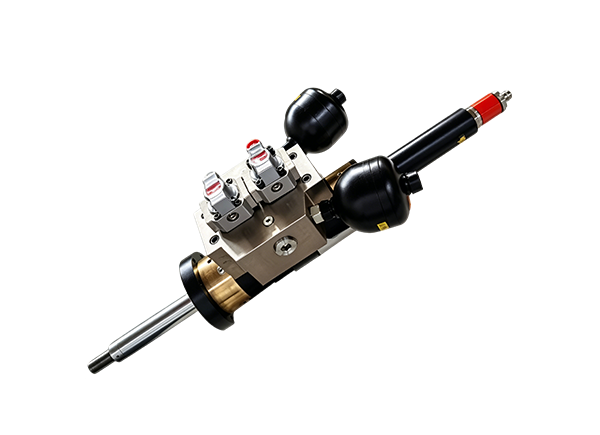
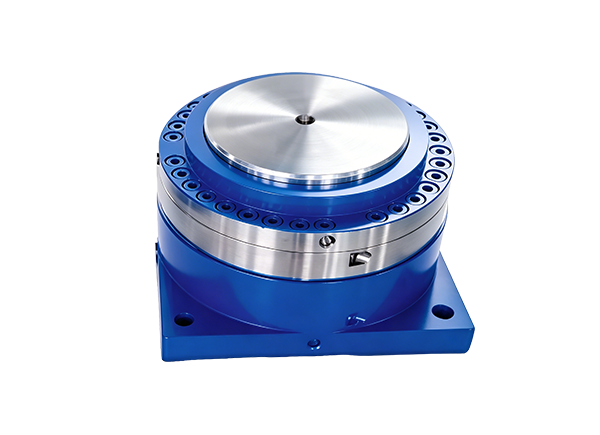
Bespoke custom engineering and exact-fit replacement compatibility for world-leading machinery brands.
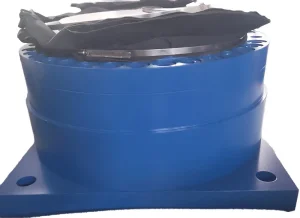
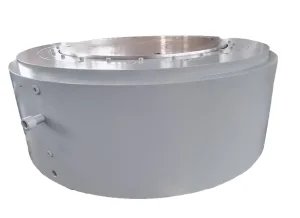
Crucial loading and suspension hydraulic cylinders engineered for Loesche LM, UBE UM, FLSmidth ATOX, Pfeiffer MPS, and TCD/TRM vertical mills. Designed to absorb severe vibration while holding continuous grinding pressure.
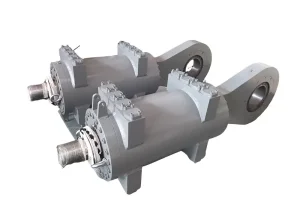
Heavy-duty, high-tonnage cylinders engineered for Chengdu Leejun CLF series, CITIC Heavy Industries, and HCRI roller presses. Features specialized diamond profile mounting options and fast dynamic relief capability.
Custom hydraulic thrust roller cylinders for rotary kilns, hydraulic harrow cylinders for stacker-reclaimers, and grate cooler drive cylinders built to withstand extreme thermal ambient conditions.
The commercial footprint of Chinese high-pressure cylinder exporters spans across key industrial corridors worldwide:
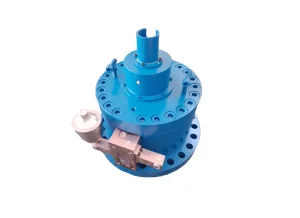
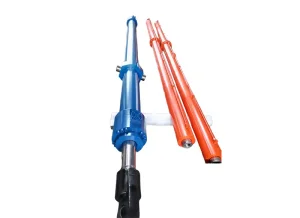
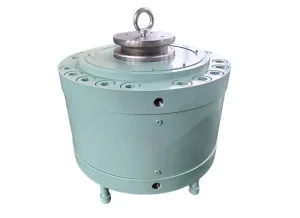
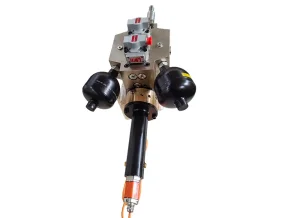
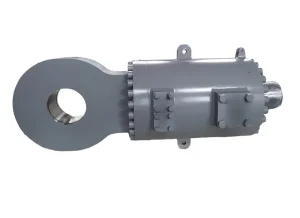
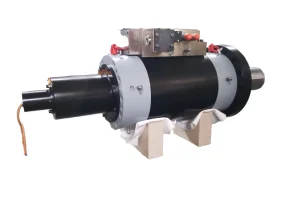
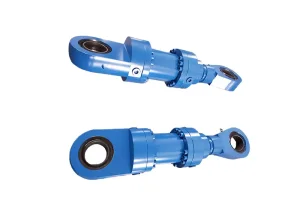
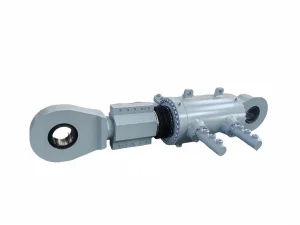
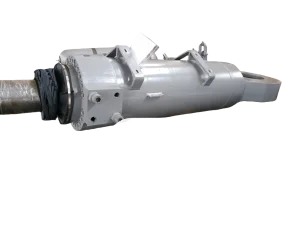
Explore specialized models engineered for high pressure, hydrostatic support, and specific vertical mill brands.
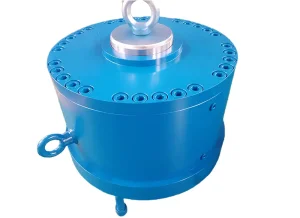
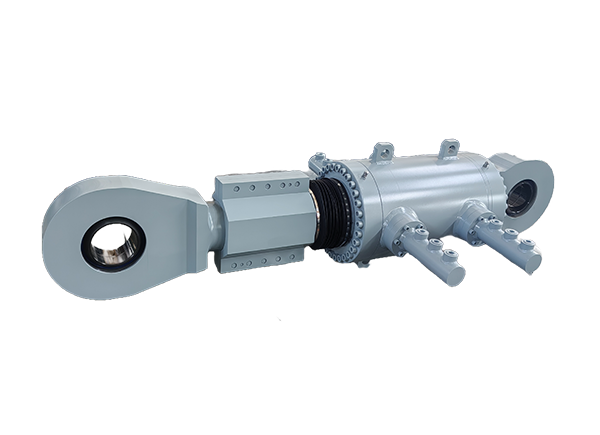
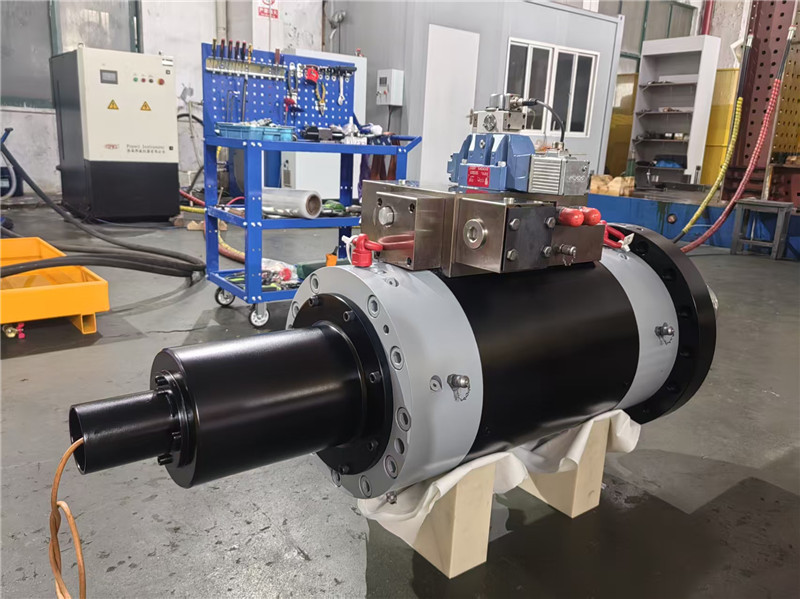
How leading Chinese high-pressure cylinder exporters verify structural integrity before international shipping.
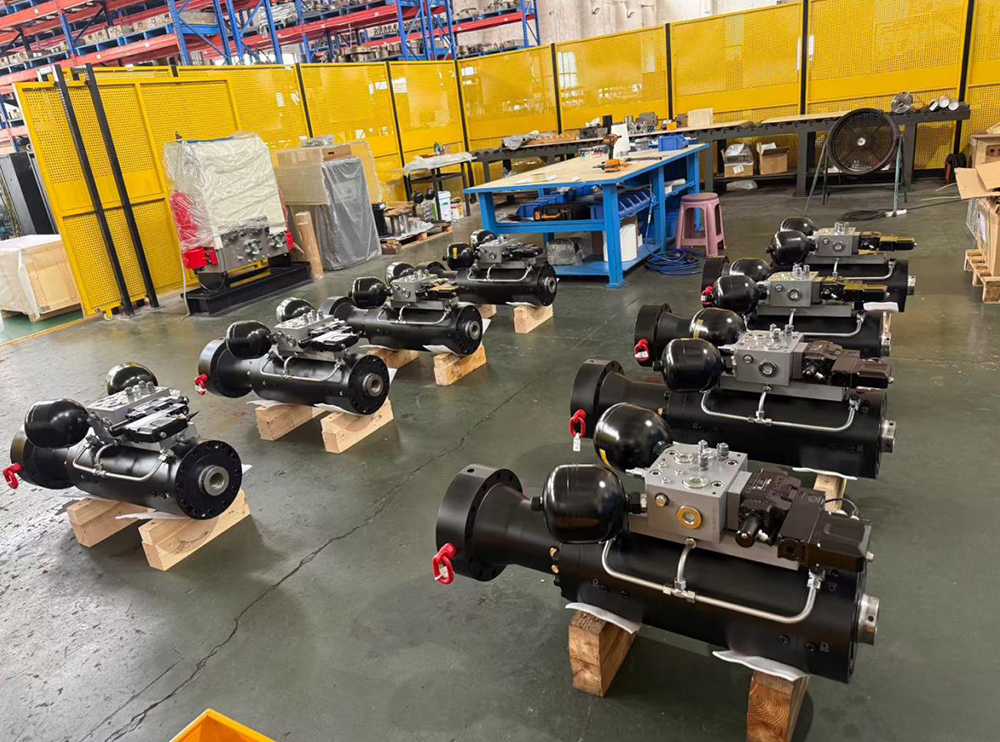
Every high-pressure cylinder manufactured for export undergoes rigorous hydrostatic testing on automated test benches. Cylinders designed for 350 bar nominal working pressure are static-tested at 525 bar (1.5x design pressure) for a minimum of 30 minutes to confirm zero micro-cracking across welds, end-cap threads, and fluid port connections.
Hydraulic servo systems and high-pressure pumps are extremely sensitive to particulate contamination. Flushing loops inside the factory cleanroom ensure fluid cleanliness meets ISO 4406 Class 16/14/11 or NAS 1638 Class 6 before sealing shipping ports with steel blind plugs and anti-corrosion VCI oil layers.
Top Chinese exporters ship cylinders accompanied by complete technical dossiers:
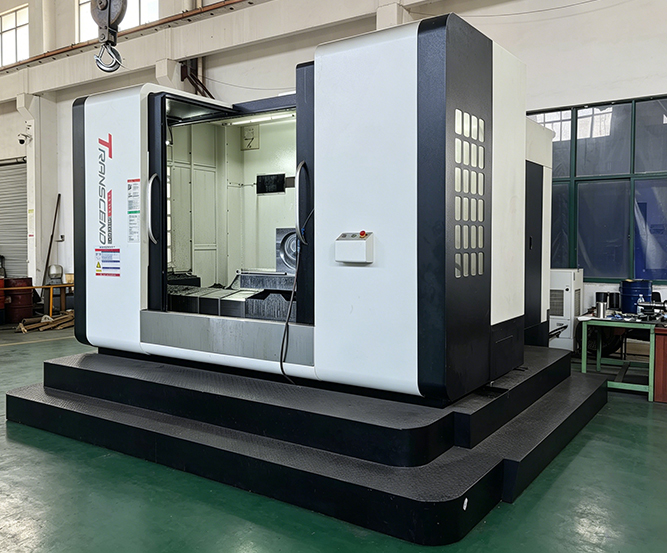
Authoritative technical answers regarding sourcing, engineering compliance, reverse engineering, and lifecycle support.
Yes. Experienced Chinese high-pressure cylinder exporters such as Xuanda Hydraulic maintain extensive technical databases of original mounting interfaces, stroke parameters, and fluid port configurations for major vertical roller mills (Loesche LM, UBE UM, FLSmidth ATOX, Pfeiffer MPS, TCD/TRM) and roller presses (Leejun CLF, CITIC, HCRI). If drawings are unavailable, our engineers perform precise 3D laser scan reverse engineering from physical sample cylinders or site mounting photos and nameplates prior to machining.
Clearance Seal Cylinders rely on a micro-inch precision fit (gap < 5–10 μm) between piston and bore without elastomeric seals, eliminating friction and enabling ultra-high dynamic response in test rigs. Low-Friction Seal Cylinders utilize modified bronze-filled PTFE step seals to minimize stick-slip behavior in proportional servo loops. Hydrostatic Support Cylinders feed high-pressure oil directly into pocket bearings, floating the rod on an oil film to absorb extreme lateral side loads without metal-to-metal contact or seal wear.
Leading Chinese exporters comply strictly with ISO 6020/2, ISO 6022, DIN 24333, and ASME fluid power standards. Cylinder barrels are forged from 27SiMn or 42CrMo4 alloy steel with EN 10204 3.1 material traceability certificates. All pressure-retaining components are 100% inspected using ultrasonic flaw detection (UT) and hydrostatic pressure testing up to 1.5 times the nominal working pressure (up to 700 bar max rating).
Piston rods are treated with double-layer hard chrome plating or HVOF thermal spray coatings to pass 96–200+ hour neutral salt spray tests (ISO 9227). Prior to shipment, cylinder internal chambers are flushed with rust-inhibitor fluid, external surfaces are coated with epoxy primer and polyurethane finish paints, and units are vacuum-sealed in heavy-duty VCI anti-corrosion film inside ISPM 15 compliant heat-treated fumigated wooden cases.
We provide complete lifecycle technical support, including 24/7 video installation guidance, seal replacement kit provisioning, on-site commissioning advice, and routine maintenance recommendations. Standard export warranties cover 12 to 24 months of continuous operation under normal working parameters, with immediate air-freight replacement parts availability.
