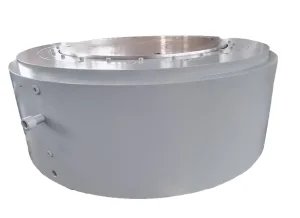
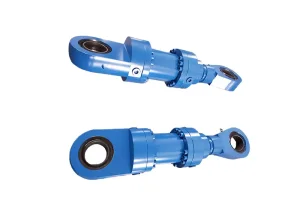
Engineered for extreme operating environments, heavy continuous duty cycles, and micro-meter actuation control across heavy industrial processing.
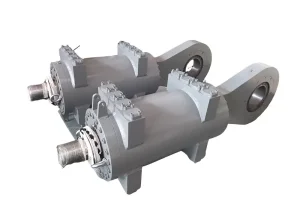
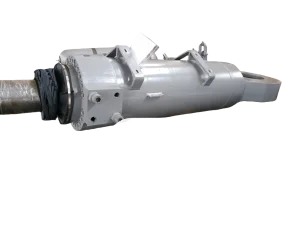
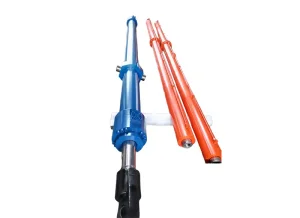
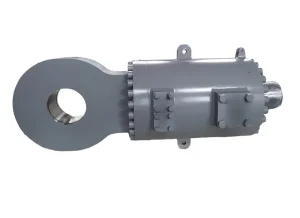
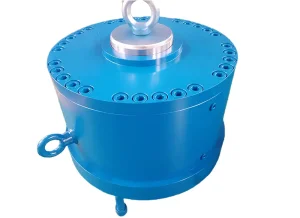
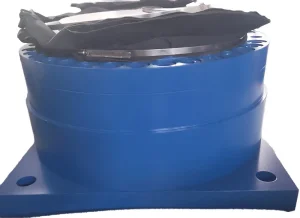
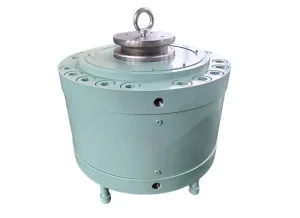
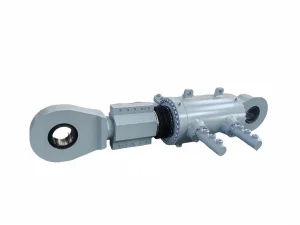
In the global fluid power and mechanical transmission ecosystem, China hydraulic systems manufacturers and exporters have transitioned from high-volume standardized component fabricators into advanced technical partners providing high-precision, bespoke electro-hydraulic systems. Over the past two decades, continuous investments in ultra-precision CNC machinery, metallurgical science, computational fluid dynamics (CFD), and automated assembly lines have placed Chinese hydraulic engineering at the forefront of global heavy machinery infrastructure.
Industrial equipment operating in demanding fields such as cement grinding, metallurgical rolling mills, marine deck systems, and large-scale water conservancy requires hydraulic actuators capable of enduring operating pressures exceeding 35–70 MPa, micro-ton movement precision, and zero-leakage durability. Modern engineering operations can no longer tolerate unscheduled downtime caused by seal degradation, rod scoring, or structural fatigue. Leading Chinese hydraulic manufacturers, such as Changzhou Xuanda Hydraulic Electromechanical Equipment Co., Ltd., combine over 22 years of specialized field experience with digital twin validation to guarantee drop-in compatibility and extended operational life cycles.
The core competitive edge of China’s hydraulic manufacturing sector stems from a highly integrated industrial ecosystem—most notably concentrated in the Yangtze River Delta industrial corridor (including Changzhou, Jiangsu). This regional centralization integrates raw material sourcing, specialized heat treatment, precision honing, and seal synthesis within a compact geographic radius, drastically compressing production lead times while lowering Total Cost of Ownership (TCO).
By optimizing raw forging procurement (such as 42CrMo4 and 35CrMo steels) and deploying automated multi-axis CNC turn-mill centers imported from Germany and Japan, Chinese manufacturers deliver OEM-grade quality at a 30% to 45% lower capital expenditure threshold.
Every cylinder body, piston rod, and hydraulic block undergoes strict non-destructive testing (NDT), ultrasonic flaw detection, chemical composition spectral analysis, and coordinate measuring machine (CMM) verification prior to final assembly.
Unlike traditional Western suppliers hampered by extended lead times for custom forgings, Chinese Factory 4.0 setups utilize flexible manufacturing systems (FMS) capable of shipping specialized custom units in as little as 4 to 6 weeks.
The hydraulic industry is currently undergoing a structural transformation driven by decarbonization, digital transformation, and smart motion control. As industrial machinery demands higher efficiency and lower maintenance overhead, Chinese hydraulic systems engineers are pioneering breakthrough technologies across three key pillars:
Integration of embedded magnetostrictive linear position sensors (LVDT), wireless temperature telemetry, and integrated pressure transducers directly inside the cylinder cap. Real-time sensor feedback interfaces with Industrial IoT (IIoT) platforms for predictive failure diagnostics, continuous wear telemetry, and automated stroke regulation.
Shift toward clearance seal systems and hydrostatic bearing support designs. By forming a high-pressure microscopic oil film between the piston and cylinder wall, stick-slip friction is eliminated entirely, enabling ultra-fast frequency response (>50 Hz) and supporting heavy lateral loads without mechanical metal-to-metal contact.
Transition from centralized hydraulic power units (HPU) to self-contained electro-hydraulic actuators. EHA units combine servo motors, bi-directional hydraulic pumps, and localized fluid reservoirs into a compact module, reducing oil volume requirements by up to 70% and eliminating long, leak-prone piping networks.
Different industrial operating environments present unique fluid power challenges. A standardized off-the-shelf cylinder will quickly fail under the specialized stress profiles of severe thermal expansion, high dust contamination, or abrasive slurries. Below is an engineering overview of custom hydraulic solutions designed for core global industries:
| Industry Sector | Primary Application Equipment | Core Technical Challenge | Custom Hydraulic Engineering Solution |
|---|---|---|---|
| Cement & Minerals | Vertical Roller Mills (Loesche, Pfeiffer, UBE, FLSmidth), Roller Presses, Grate Coolers | Severe shock loads, continuous vibration, heavy dust ingress, elevated thermal radiation. | Heavy-duty loading cylinders equipped with accumulator dampening blocks, double-lipped wiper rings, dynamic polyurethane seals, and heat-resistant ceramic rod coatings. |
| Metallurgy & Steel | Continuous Casting Machines, Hot/Cold Rolling Mills, AGC Systems | Extreme radiation temperatures (>200°C), fire hazards, requirement for high-frequency servo positioning. | Water-glycol/phosphate-ester synthetic fluid compatible seals (Viton/FKM), hydrostatic support bearings, and laser-cladded stainless steel rod surfaces. |
| Shipbuilding & Marine | Deck Cranes, Steering Gears, Hatch Covers, Offshore Mining Equipment | Salt-spray marine corrosion, wave action shock loads, strict DNV/ABS compliance requirements. | Duplex stainless steel piston rods, multi-layer nickel-chrome electroplating, IP68 rated position sensors, and marine-grade epoxy anti-corrosion paint coats. |
| Water Conservancy | Dam Sluice Gates, Radial Gates, Hydroelectric Intake Valves | Ultra-long stroke requirements (up to 15m), submerged operating conditions, multi-decade maintenance-free operation. | Large-bore heavy forged cylinders with ceramic coated rods, internal position monitoring, and self-lubricating bronze guide bushes. |
For global plant procurement managers, chief engineers, and OEM service teams, selecting a Chinese hydraulic systems supplier is a strategic decision that directly affects operational uptime and plant maintenance budgets. When legacy equipment produced by European or North American OEMs encounters cylinder failure, procuring replacement units directly from original brand channels often incurs prohibitive pricing and 6-to-12-month delivery delays.
Chinese engineering teams utilize advanced reverse-engineering protocols. By analyzing physical sample cylinders, nameplate operating parameters, field installation dimensions, or 2D technical drawings, engineers recreate 3D solid models in SolidWorks/ANSYS. This guarantees 100% mechanical drop-in alignment with existing mounting clevises, pin holes, hydraulic oil ports, and structural flanges.
By analyzing historical failure modes (e.g., side-load wear, seal blowouts under pressure spikes, rod corrosion), Chinese engineers optimize internal seal configurations, upgrade guide sleeve material to high-strength alloy bronze, and add buffer cushioning cap inserts—delivering a replacement component that outperforms the original OEM unit at a fraction of the cost.
International buyers require confidence that imported hydraulic machinery complies with regional regulatory standards and can be reliably serviced throughout its working lifecycle. China's top export manufacturers maintain rigorous compliance frameworks:
Full compliance with ISO 6020/2, ISO 6022, DIN 24333, and NFPA hydraulic cylinder mounting dimensions and pressure testing benchmarks.
Certified under ISO 9001:2015 quality control management systems, ISO 14001 environmental safety standards, and CE mechanical compliance.
VCI anti-rust oil application, vacuum plastic shrink wrapping, internal port sealing, and fumigated heavy-duty plywood crate packaging.
Global dispatch of standardized seal kit packages, installation oversight, remote video commissioning guidance, and lifetime technical support.
Engineered responses to common fluid power procurement, application, and maintenance queries:
Yes. Experienced Chinese manufacturers like Changzhou Xuanda supply loading and suspension cylinders matched exactly to the mounting envelope, stroke length, operating pressure, and port positions of OEM mills including Loesche LM series, Pfeiffer MPS mills, UBE UM mills, and FLSmidth ATOX lines. All OEM brand names are mentioned for dimensional matching purposes only.
Clearance seal cylinders rely on high-precision micro-gap machining (piston-to-bore clearance of only a few micrometers) to restrict fluid bypass without elastomeric contact seals, yielding near-zero friction for dynamic high-frequency testing. Hydrostatic support cylinders actively inject high-pressure oil into pocket recesses around the rod and piston guide, creating a pressurized fluid film that supports extreme lateral forces without metal friction.
For severe marine, chemical, or mining environments, standard hard chrome plating (25–50 μm) can be upgraded to double-layer Nickel-Chrome plating, High-Velocity Oxygen Fuel (HVOF) thermal spray coatings, or laser-cladded stainless steel/stellite alloys. These advanced surface treatments provide exceptional salt-spray resistance (>1000 hours rating under ASTM B117) and superior micro-hardness (>1000 HV).
Stick-slip is eliminated by pairing low-friction PTFE-based seals (energized with elastomer O-rings) with finely honed cylinder bore finishes (Ra < 0.2 μm) and precise micro-geometry machining. Additionally, utilizing low-friction step seals or hydrostatic guide sleeves prevents static friction spikes during slow velocity transitions.
Every shipment includes a comprehensive Quality Documentation Package containing: Material Test Certificates (EN 10204 3.1), Hydrostatic Pressure Test Records, Chrome Plating Thickness & Adherence Reports, CMM Dimensional Inspection Sheets, Assembly & Maintenance Manuals, and Recommended Spare Seals Parts Lists.
Advanced low-friction, hydrostatic, and custom engineering cylinders designed for industrial automation and specialized process machinery.