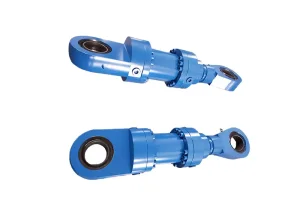
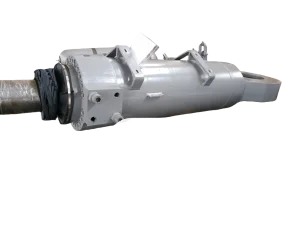
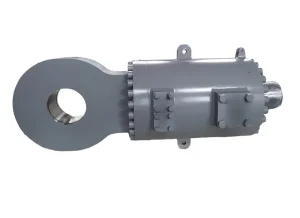
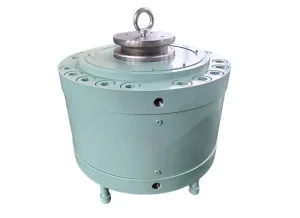
Direct replacement and custom-engineered hydraulic cylinders for cement clinker grate coolers, vertical roller mills, and high-pressure roller presses.
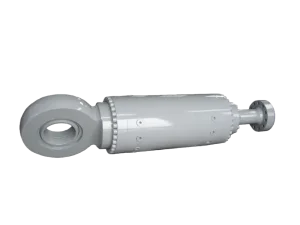
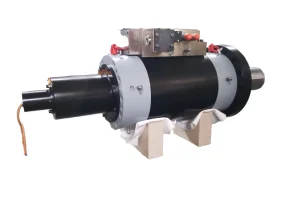
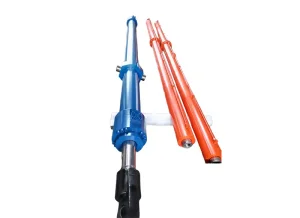
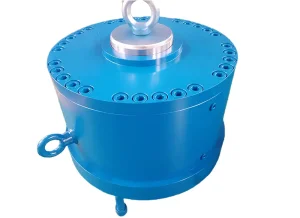
An in-depth evaluation of mechanical stress, ambient thermal radiation, and hydraulic reliability in modern clinker cooling infrastructure.
Clinker grate and gate coolers operate continuously under 24/7 high-frequency short-stroke reciprocating cycles (typically 12 to 30 strokes per minute). This constant reversal induces cyclic hydraulic pressure spikes up to 31.5 MPa and micro-vibration, requiring high-fatigue-strength forged cylinder barrels and dual-vector damping cushions.
Direct proximity to calcined clinker exiting the kiln at 1,300°C–1,450°C subjects gate cooler cylinders to radiant ambient temperatures of 90°C–120°C and airborne clinker dust with a hardness of 7–8 Mohs. Standard polyurethane seals degrade within weeks; specialized fluoroelastomers (FKM) and bronze-filled PTFE chevron seals are strictly required.
Unbalanced clinker bed thickness creates severe lateral forces and torsional moment loads on the hydraulic piston rod. Changzhou Xuanda incorporates internal hydrostatic support bearings and spherical hinge mountings to absorb up to 35% side-load variance without bore scoring or rod seal distortion.
In a typical 5,000 metric ton per day (TPD) clinker production line, an unscheduled shutdown triggered by a gate cooler hydraulic actuator failure costs between $60,000 and $120,000 USD per day in lost production, secondary thermal stress on kiln refractories, and energy consumption during re-ignition. Implementing engineered high-durability hydraulic cylinders extends the Mean Time Between Failures (MTBF) from 14 months to over 48 months.
Why global cement conglomerates are transitioning from original equipment manufacturer (OEM) branded replacements to specialized hydraulic cylinder manufacturers.
Modern cement plants operating equipment designed by major OEMs (such as FLSmidth, Claudius Peters, ThyssenKrupp Industrial Solutions, or IKB) frequently encounter severe procurement challenges. Replacement hydraulic cylinders supplied directly through original plant designers carry premium price markups of 300% to 500% over manufacturing costs. Furthermore, global lead times often stretch to 24–36 weeks due to multi-tiered sourcing structures, placing continuous operational budgets under immense pressure.
By partnering directly with Changzhou Xuanda Hydraulic—a dedicated manufacturer with 22+ years of heavy hydraulic engineering experience—cement plant procurement teams eliminate intermediary markups while securing 100% mechanical interchangeability. Every cylinder is built to precise OEM envelope dimensions, port configurations, and pin-center distances, while incorporating upgraded sealing alloys and rod cladding tailored specifically to the plant’s operating history.
How physical material selection, surface cladding, fluid dynamics, and electronic position sensing combine to create extreme-duty hydraulic cylinders.
Cylinder barrels are cold-drawn or hot-rolled seamless alloy tubes (ST52.3 / E355 / 27SiMn) stress-relieved and precision-honed to bore roughness Ra < 0.15 μm. Piston rods utilize high-tensile 42CrMo4 forged alloy steel, induction hardened to HRC 56–60 at a depth of 2–3 mm to resist severe impact indentation.
To combat abrasive dust pitting in cement plant environments, rods can be coated with High-Velocity Oxygen Fuel (HVOF) Tungsten Carbide (WC-Co-Cr) or dual-layer chrome plating (min 40 μm thickness). This yields corrosion resistance surpassing 1,000 hours in Neutral Salt Spray (NSS) testing per ISO 9227.
Integrated non-contact magnetostrictive linear transducers (e.g., MTS Temposonics or Balluff Profile Transducers) are gun-drilled directly inside the high-pressure piston rod. This provides absolute position feedback with non-linearity < ±0.01% FS, enabling closed-loop PLC synchronization of multi-cylinder grate cooler beds.
Aligning heavy hydraulic motion control with global cement plant sustainability targets and Industry 4.0 digital plant integration.
In modern grate coolers, secondary and tertiary air temperatures fed back into the rotary kiln calciner directly determine fuel consumption rates per ton of clinker. By utilizing low-friction hydraulic cylinders with ultra-precise stroke control, gate movement maintains an optimized clinker bed thickness (typically 600–800 mm). This optimizes heat exchange efficiency, reduces thermal losses, and directly lowers specific energy consumption (kcal/kg clinker), supporting carbon reduction compliance under EU ETS and global ESG standards.
Modern gate cooler hydraulic cylinders are no longer isolated mechanical actuators. Xuanda integrates smart sensor ports for real-time pressure transducers, fluid temperature sensors, and vibration analysis nodes. By streaming continuous operational telemetry via IO-Link or Modbus RTU to the plant's Central Control Room (CCR), maintenance supervisors can detect internal bypass leakage or seal degradation weeks before catastrophic failure occurs, enabling scheduled seal kit replacement during routine kiln shutdowns.
Rigorous manufacturing standards, full material traceability, and international technical support for cement producers worldwide.
Every raw forging, seamless barrel tube, and seal compound processed at Changzhou Xuanda’s 20,000 m² facility is accompanied by EN 10204 3.1 Material Test Certificates. Chemical composition, tensile strength, yield points, and ultrasonic flaw detection reports are archived for complete life-cycle traceability.
Prior to export packaging, every cylinder undergoes rigorous pressure testing on automated test rigs. Standard protocol includes 1.5x working pressure holding tests (up to 45 MPa pressure testing), low-pressure stick-slip evaluation, internal leakage measurement per ISO 10100, and stroke displacement validation.
Serving heavy industries across Europe, Southeast Asia, the Middle East, South America, and Africa. We offer rapid reverse-engineering services from physical worn client samples, photo documentation, or dimensional field measurements when original technical drawings are unavailable.
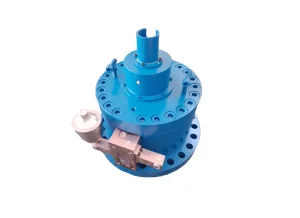
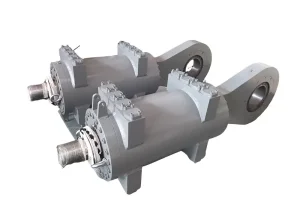
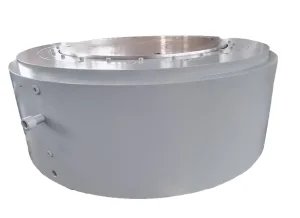
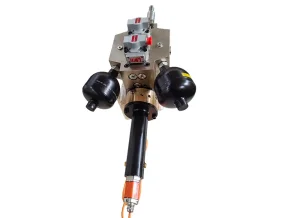
Explore our complete portfolio of servo, vertical roller mill, stacker-reclaimer, and roller press cylinders engineered to international heavy-industry standards.
Comprehensive technical answers for plant managers, mechanical engineers, and procurement directors evaluating cylinder replacements.
